







As we age, our homes should remain our greatest sanctuaries—places of comfort, familiarity, and independence. However, standard home layouts can often present hidden hazards for older adults, turning simple daily routines into risks for falls and injuries. Transforming a living space to accommodate changing physical needs is one of the most proactive steps you can take to ensure aging in place safely.
Creating a senior-friendly home does not require an entire architectural overhaul. Often, strategic modifications, thoughtful gadgets, and ergonomic essentials can dramatically enhance safety and ease of living. Here is a comprehensive guide to the must-have items for a senior-friendly household.
1. Bathroom Safety Essentials
The bathroom is statistically the most hazardous room in the house due to slippery surfaces and wet areas. Prioritizing safety here is paramount.
- Grab Bars: Sturdy, professionally installed grab bars near the toilet and inside the shower or bathtub provide critical stability when sitting down or standing up.
- Non-Slip Mats and Strips: Placing high-traction rubber mats inside the tub/shower and non-slip strips on bathroom floors prevents dangerous slips.
- Shower Chair or Bench: A waterproof, sturdy shower seat allows individuals with fatigue or balance issues to bathe safely in a seated position.
- Raised Toilet Seat: Adding height to the toilet reduces strain on the knees and hips, making it much easier to sit down and stand up independently.
2. Mobility and Accessibility Aids
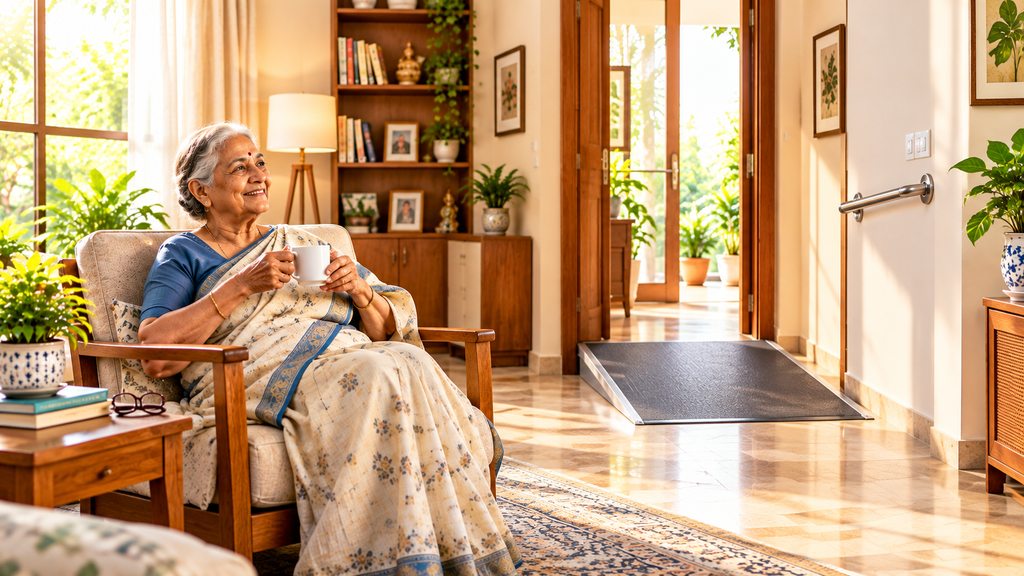
Navigating the home smoothly reduces the risk of trips and stumbles, preserving freedom of movement.
- Adequate and Smart Lighting: Vision naturally diminishes with age. Ensure all hallways, staircases, and entryways are brightly lit. Motion-activated nightlights along the path from the bedroom to the bathroom are exceptionally helpful for safe nocturnal navigation.
- Ramps and Threshold Reductions: Eliminate small step-downs or door thresholds where feet can catch. Installing low-profile ramps makes moving between rooms or entering the house seamless, especially for those using walkers or canes.
- Stairlifts or Handrails: If the home has multiple levels, sturdy handrails on both sides of the staircase are essential. For multi-story homes where stairs become a persistent barrier, investing in a stairlift ensures full access to the house.
- Clear Pathways: Declutter floors by removing loose rugs, electrical cords, and excess furniture to create wide, unobstructed walking paths.
3. Kitchen Ergonomics and Convenience
Cooking should remain a joyful, safe activity rather than a physical struggle.
- Lever-Style Faucets: Twisting traditional knobs can be difficult for hands affected by arthritis. Single-lever or touchless faucets make controlling water temperature and flow effortless.
- Accessible Storage: Reorganize kitchen cabinets so that frequently used items (plates, cups, everyday cookware) are stored at waist or chest height, eliminating the need to bend low or reach dangerously high.
- Automatic Shut-Off Appliances: Kettles, toaster ovens, and stoves equipped with automatic shut-off features provide invaluable peace of mind against accidental fires if a burner is left unattended.
4. Smart Technology and Emergency Systems
Modern technology offers incredible safety nets that keep seniors connected and secure without compromising their privacy.
- Medical Alert Systems: Wearable pendants or smartwatches with fall-detection technology allow seniors to call for emergency help instantly with the touch of a button.
- Smart Home Assistants: Voice-activated devices (like smart speakers) allow users to turn off lights, check the weather, set medication reminders, or call family members hands-free.
- Video Doorbells and Keyless Entry: Being able to see who is at the door via a smartphone or monitor without rushing to answer it prevents accidental falls. Keyless entry pads also eliminate the risk of lost keys or struggling with traditional lock cylinders.
Conclusion
Adapting a home for senior living is an act of care and foresight that honors a lifetime of independence. By incorporating these safety essentials and thoughtful modifications, you create a nurturing environment where comfort meets security—allowing older adults to thrive in the homes they love.